




sapper756
-
Posts
36,138 -
Joined
-
Last visited
Content Type
Profiles
Forums
Events
Everything posted by sapper756
-

-
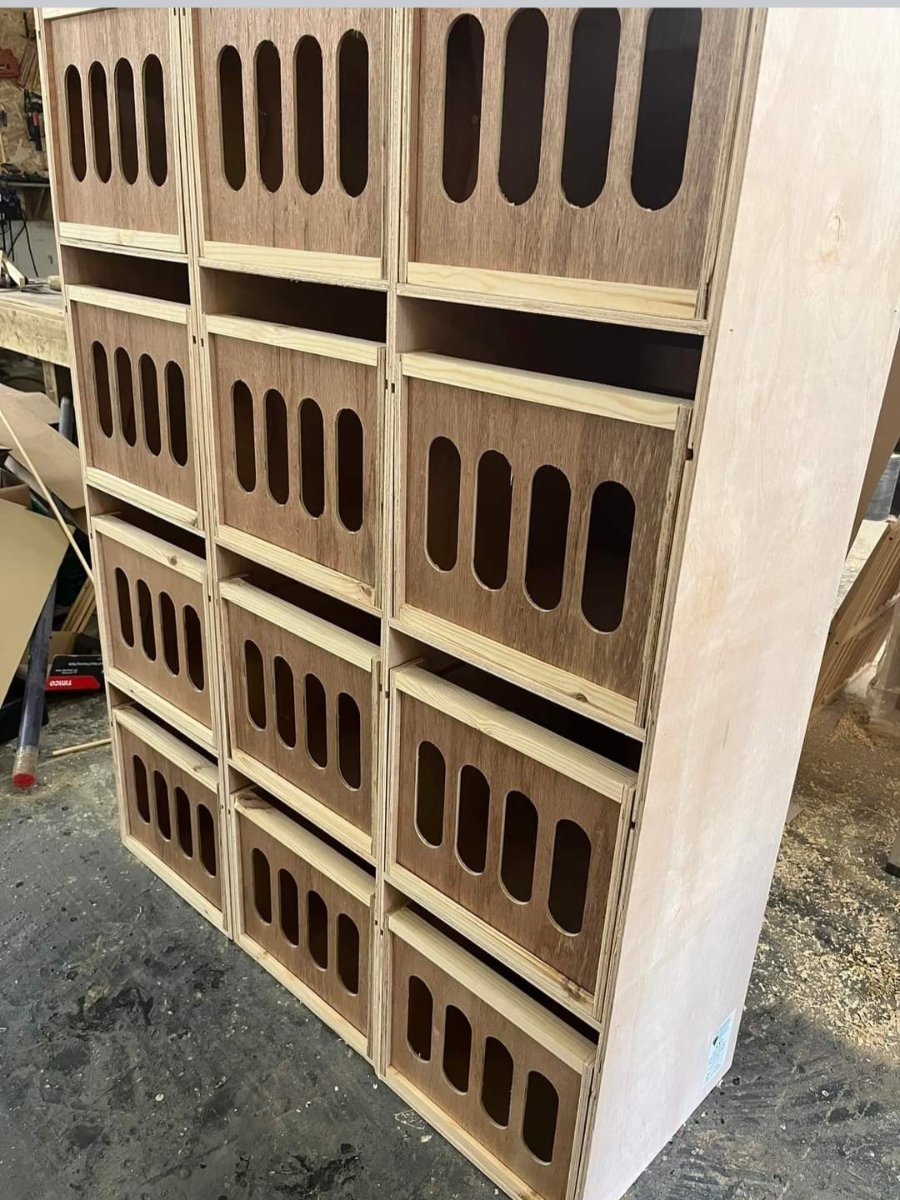
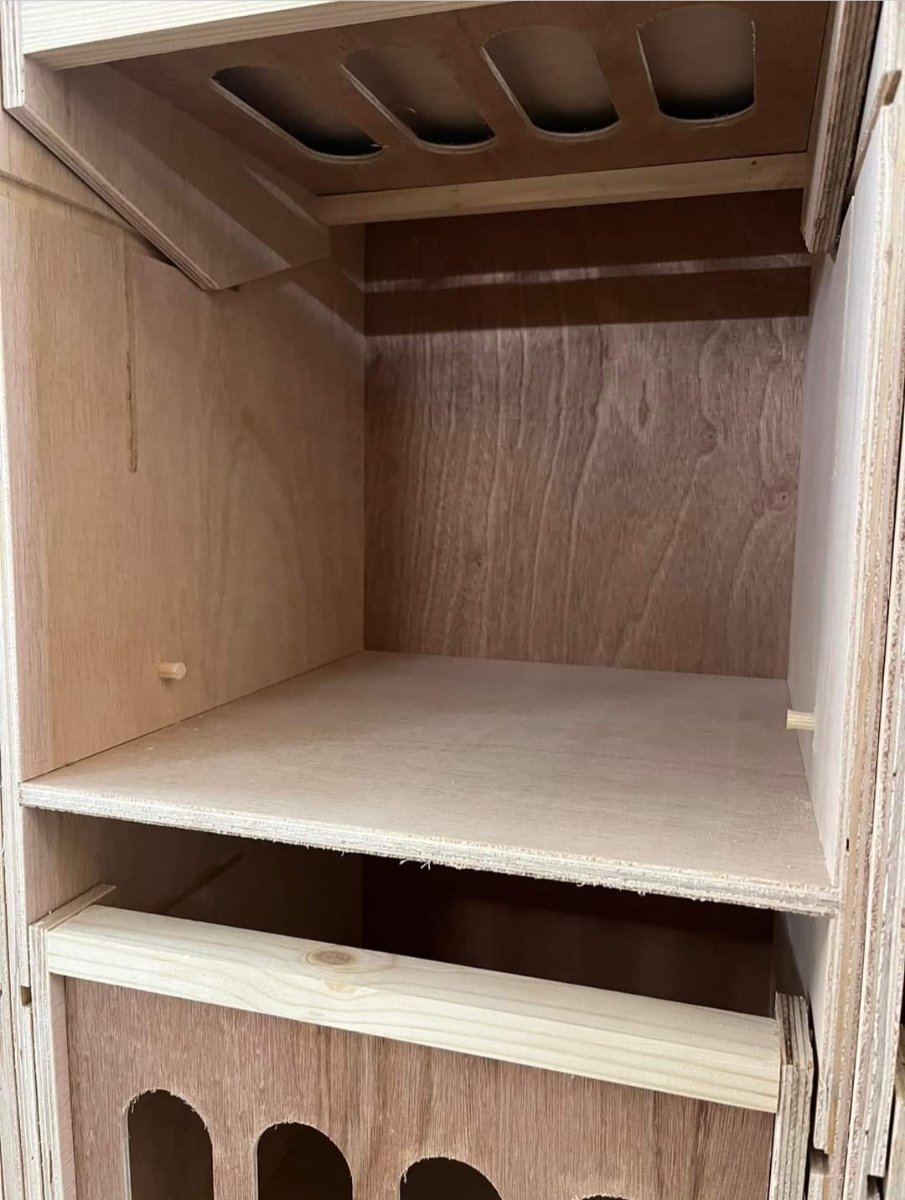
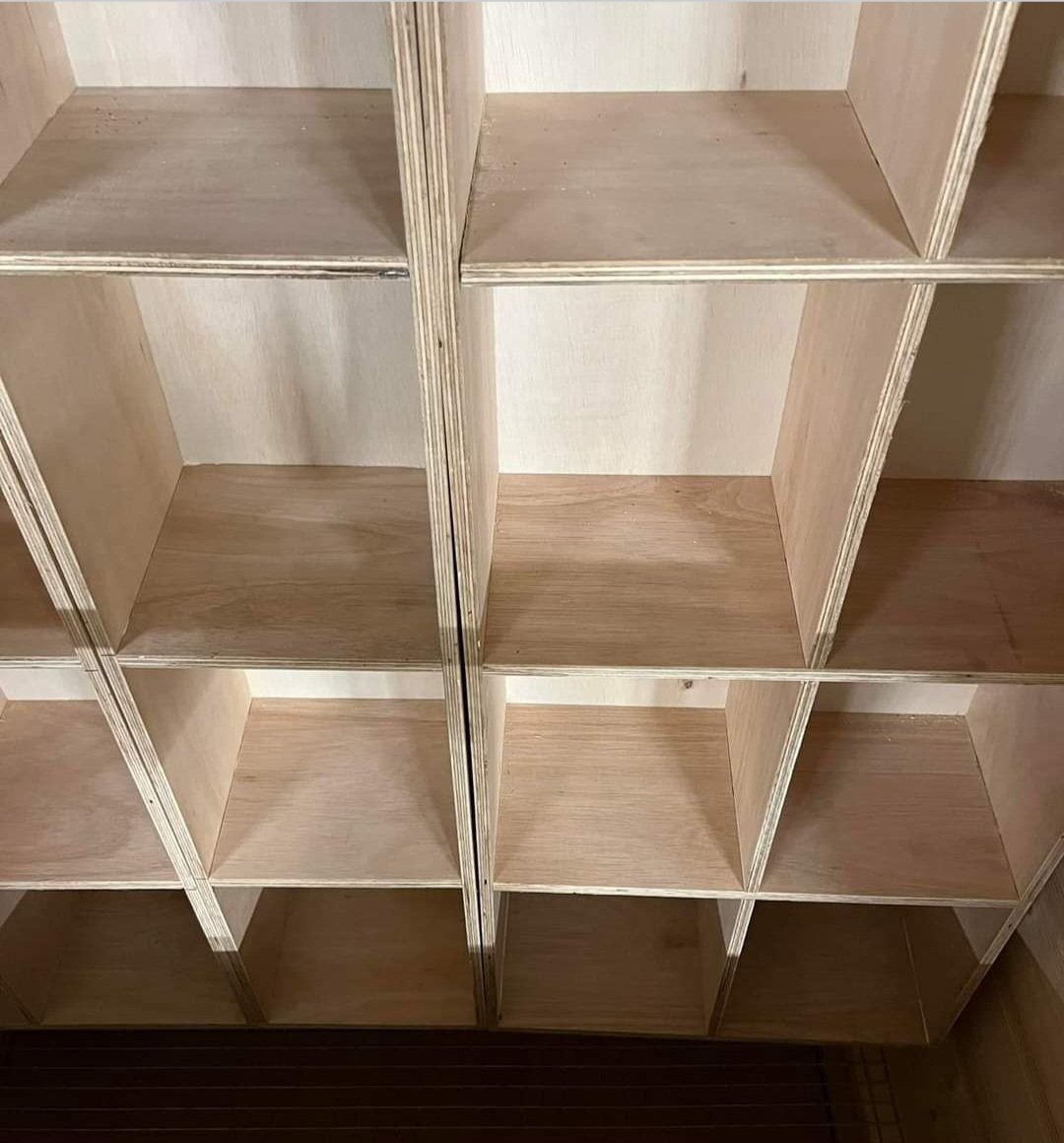
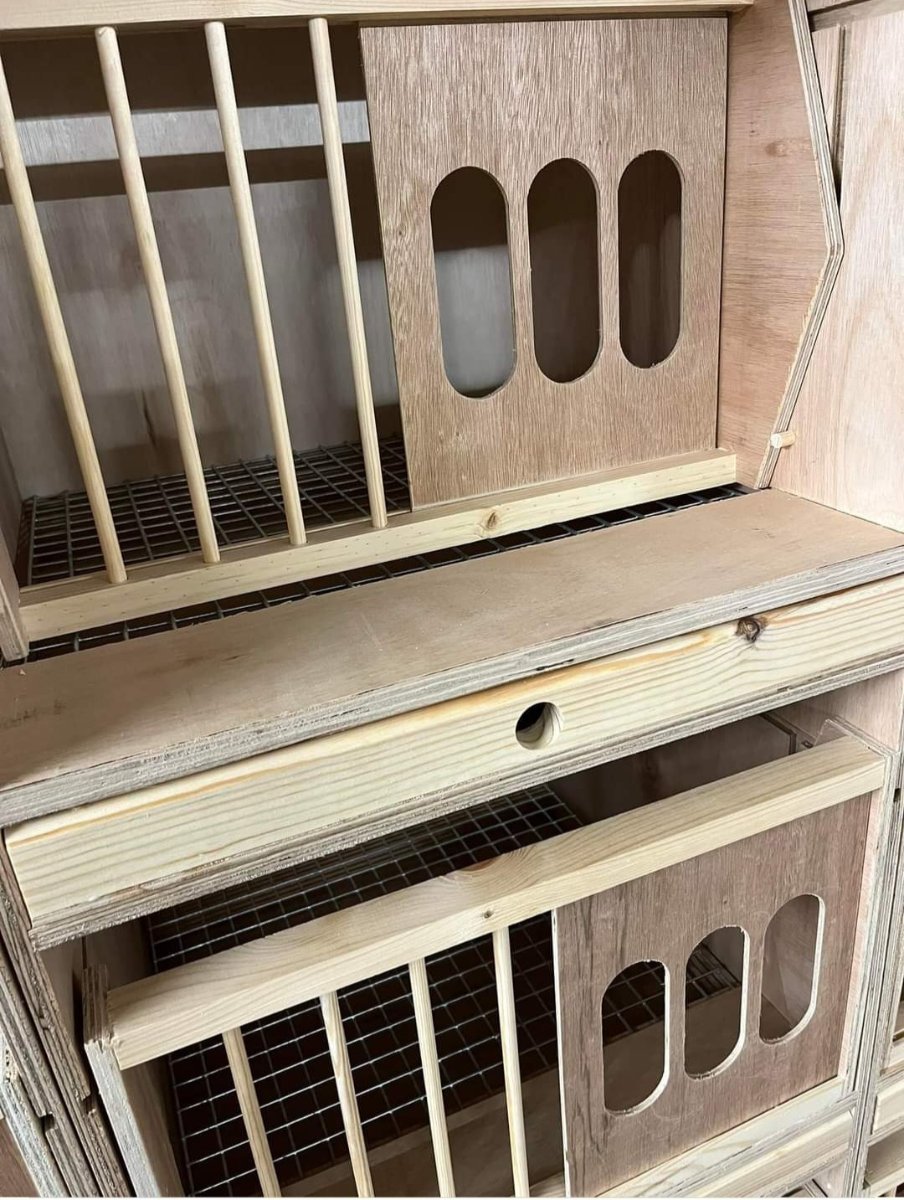
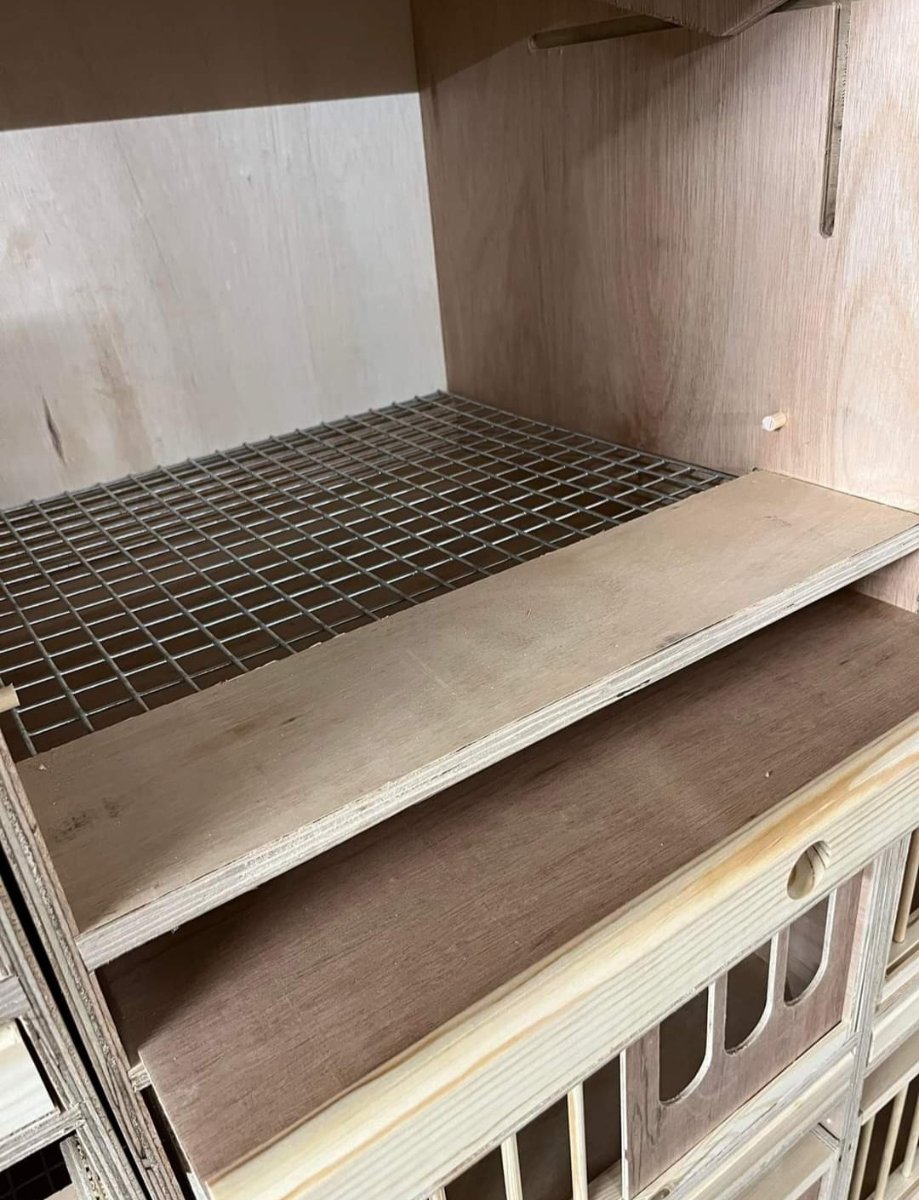
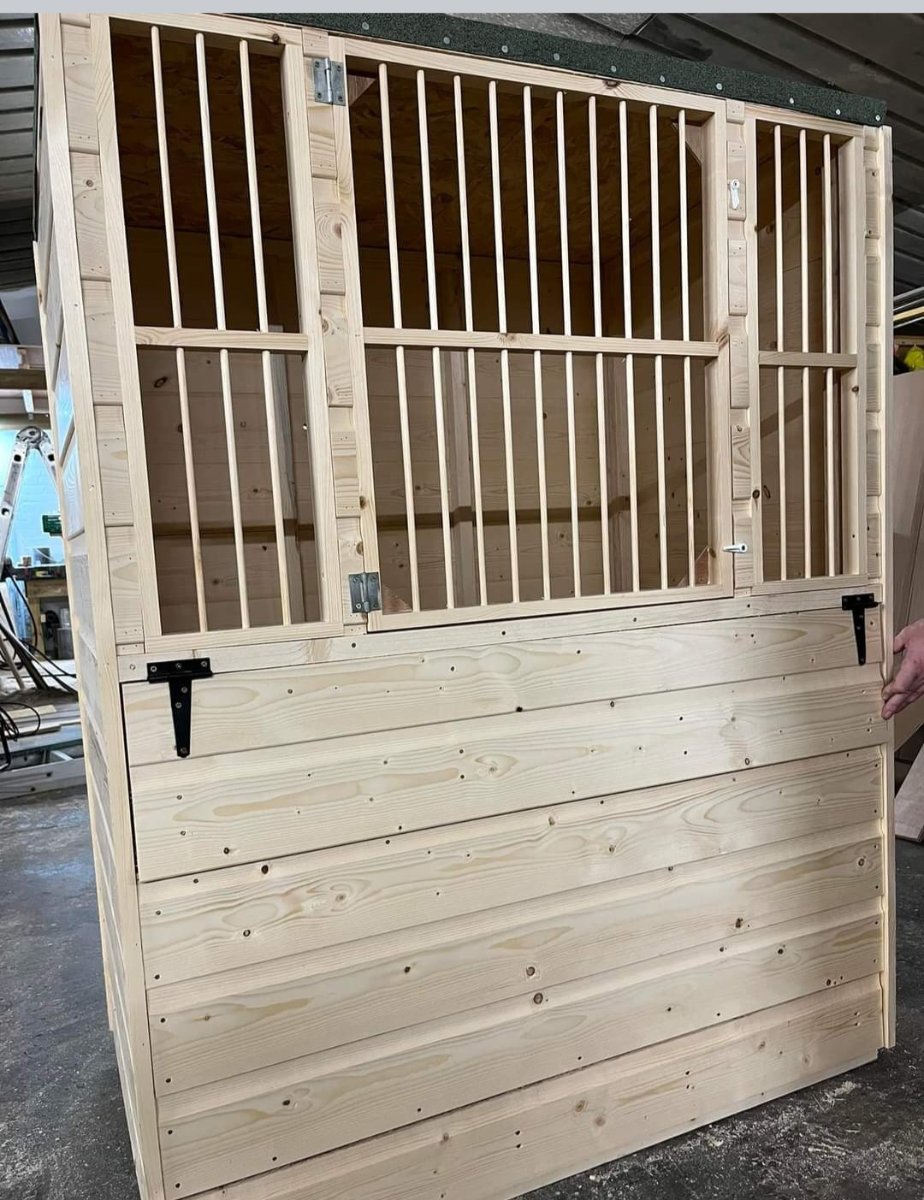
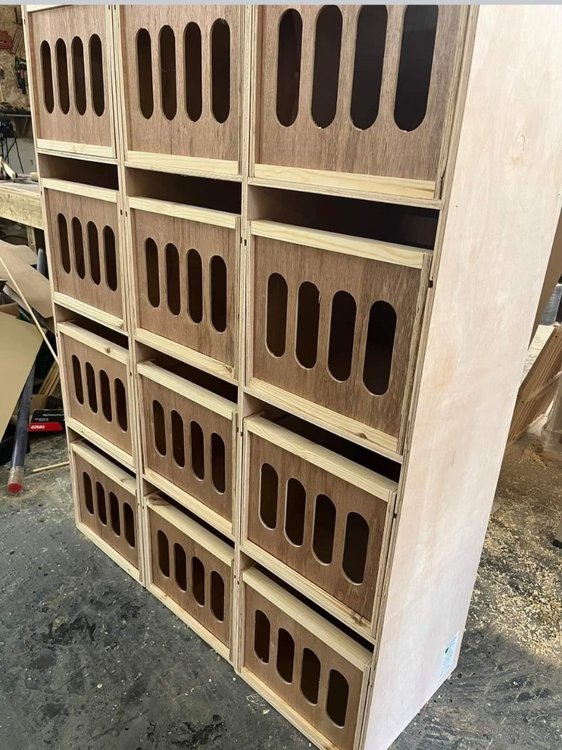
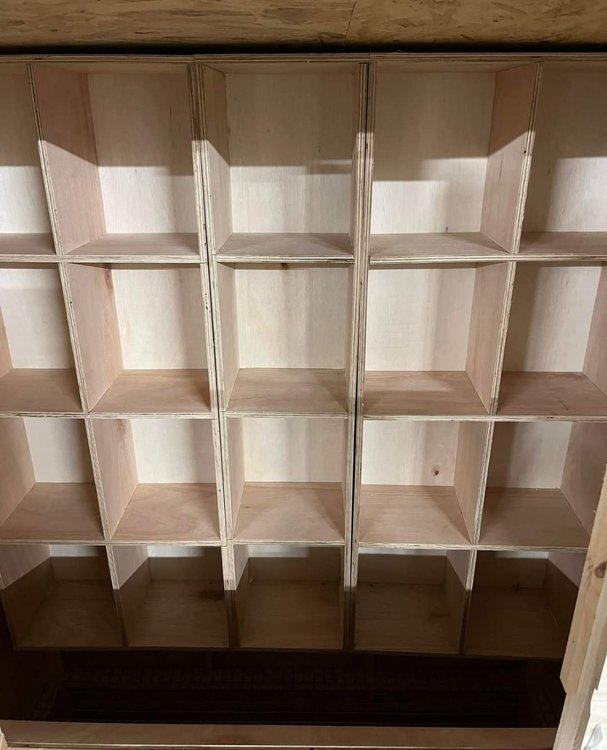
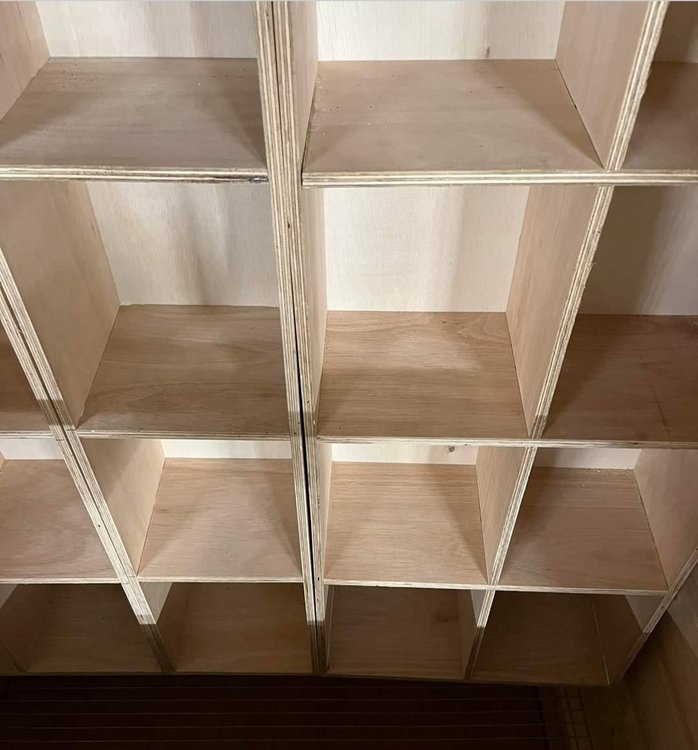
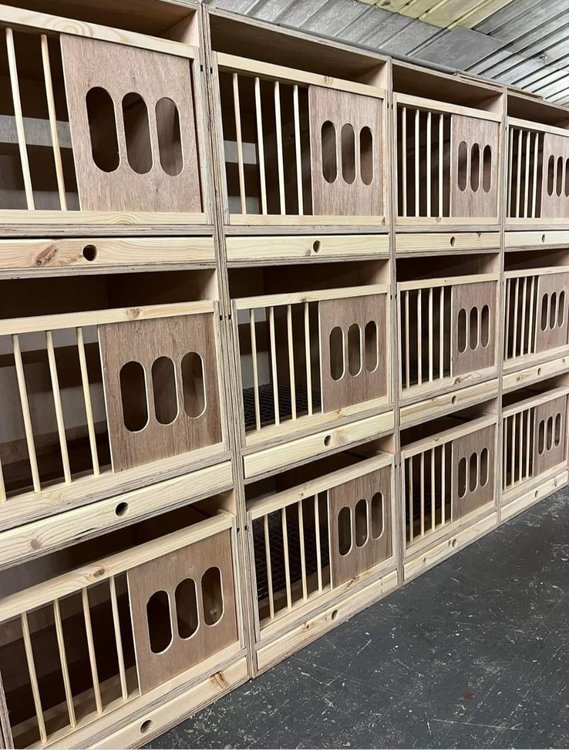
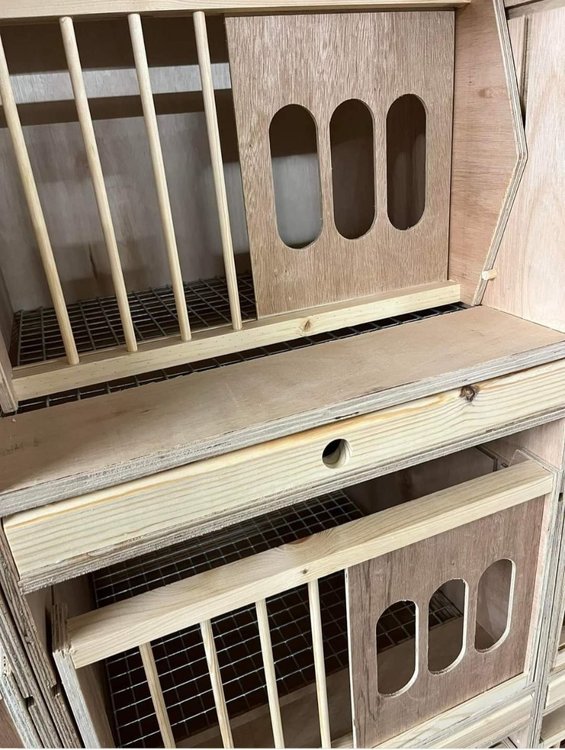
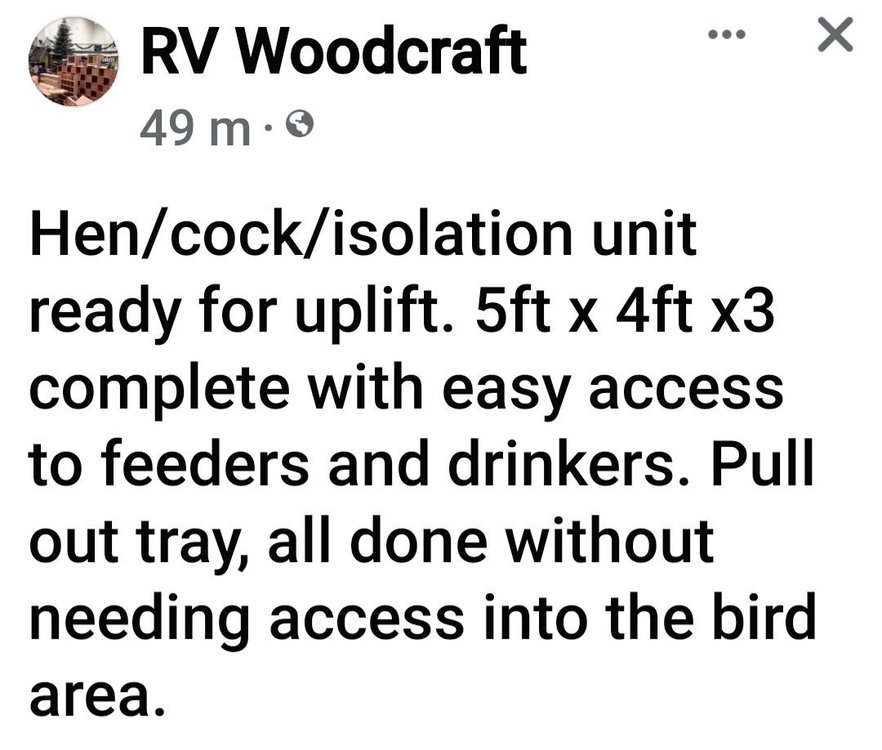
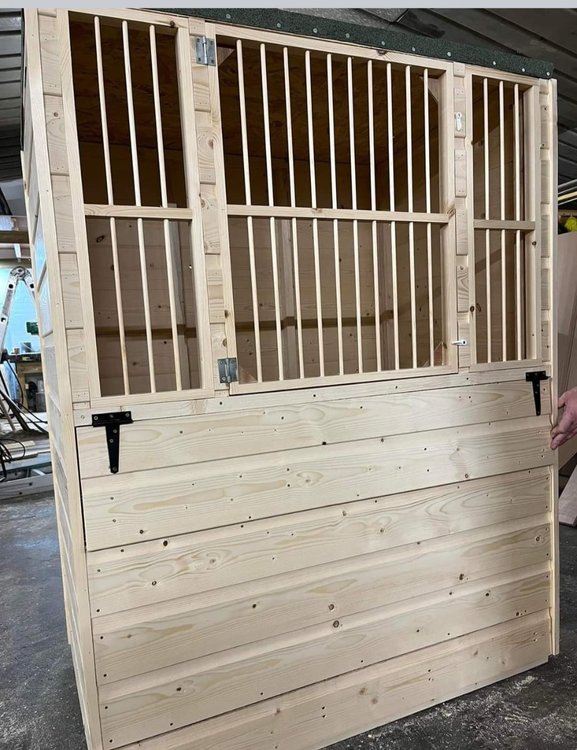
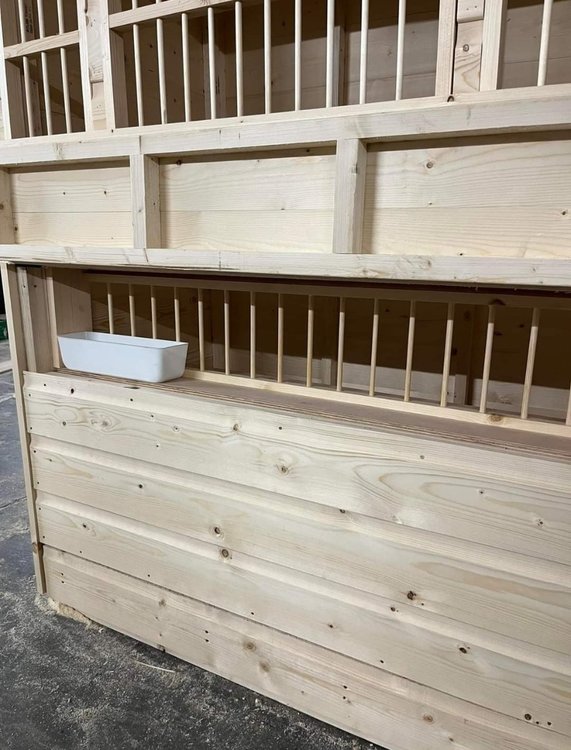
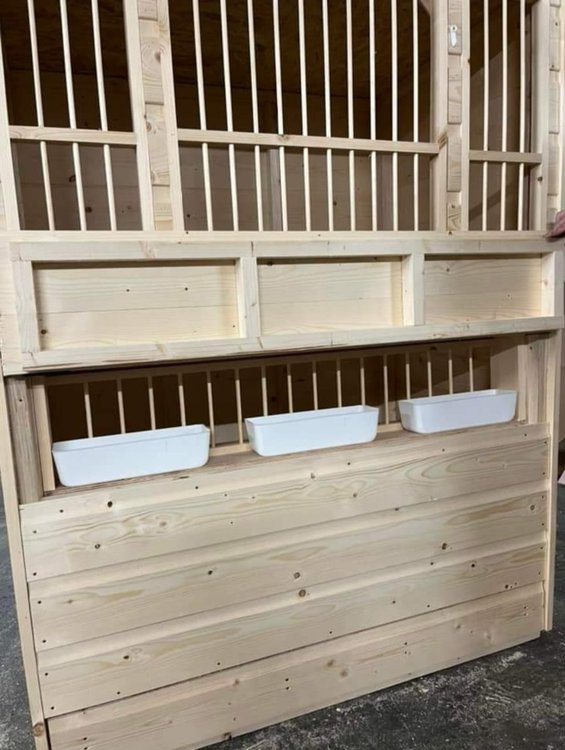
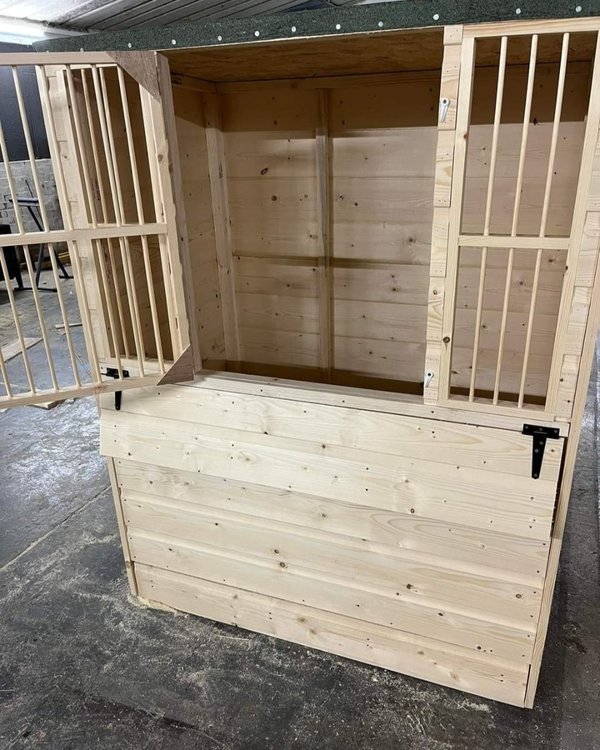
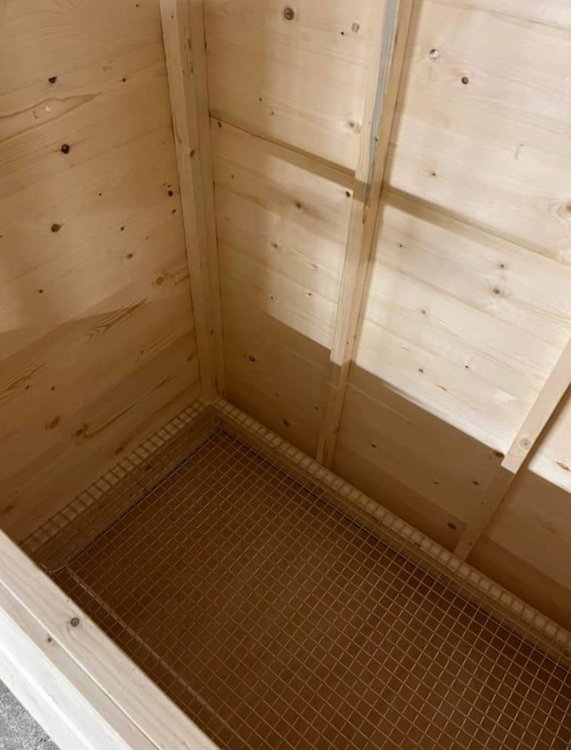
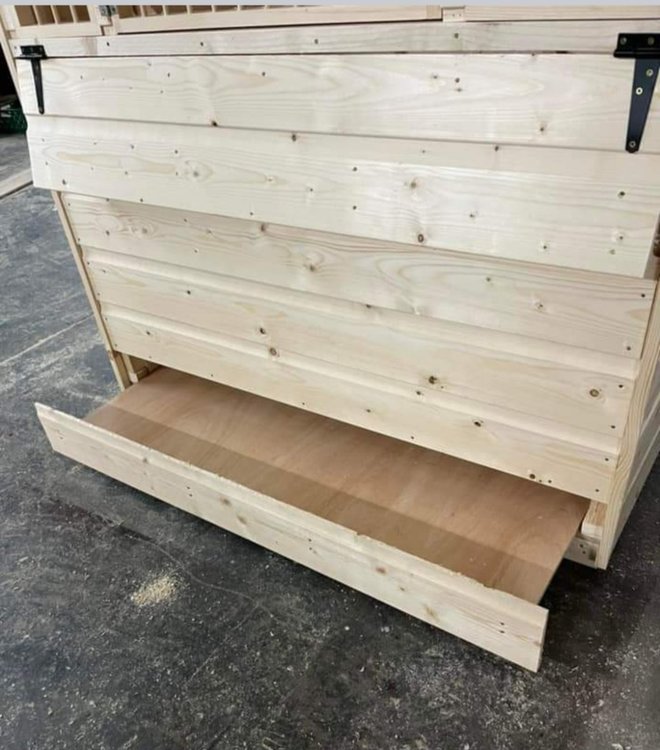
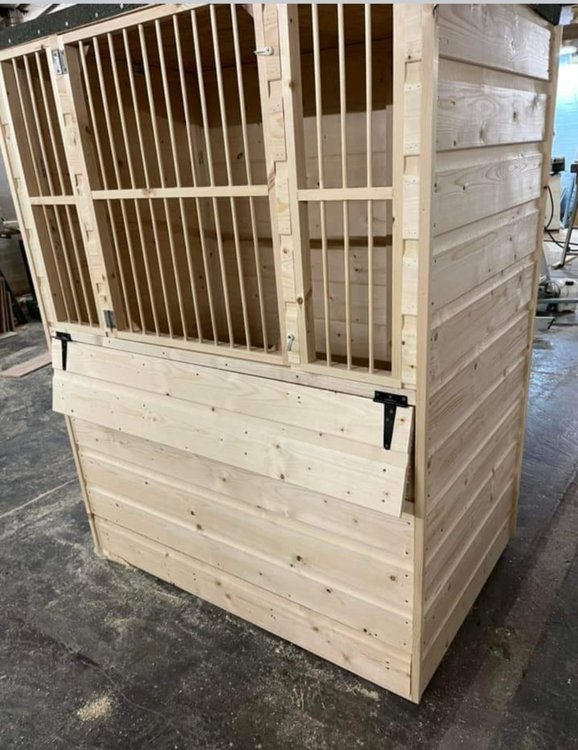
New Design Flip Over Hen Boxes
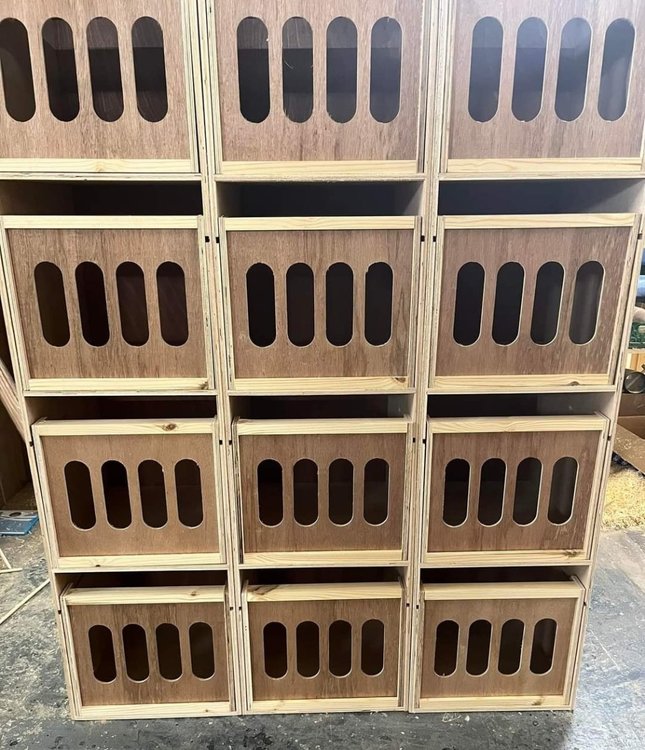
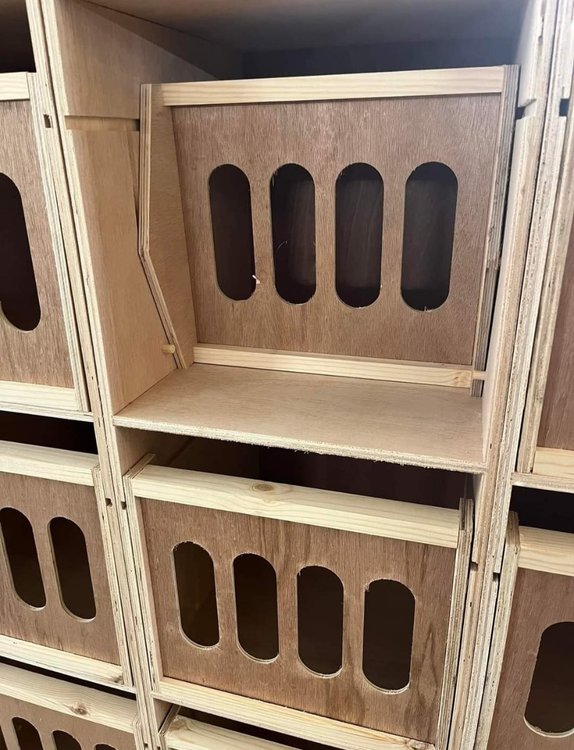
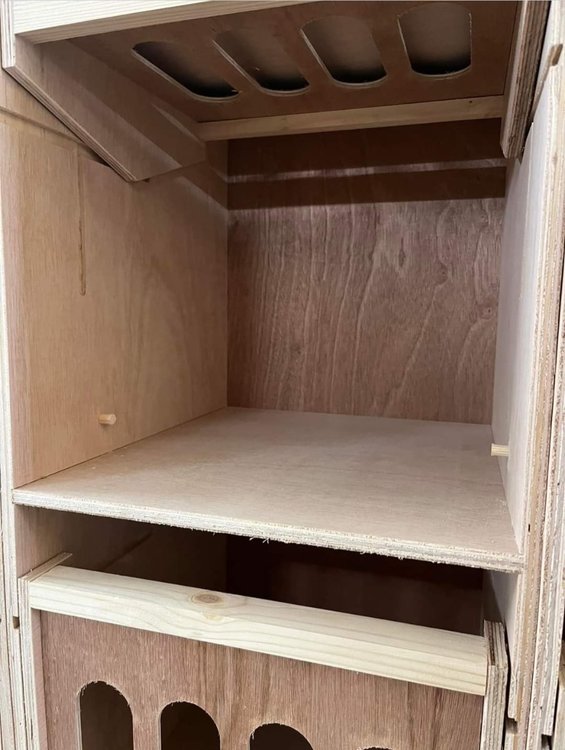
-

-
I think it must be BBC1 down England
-
Well done
-
If interested contact Mick Heraghty via his Facebook page
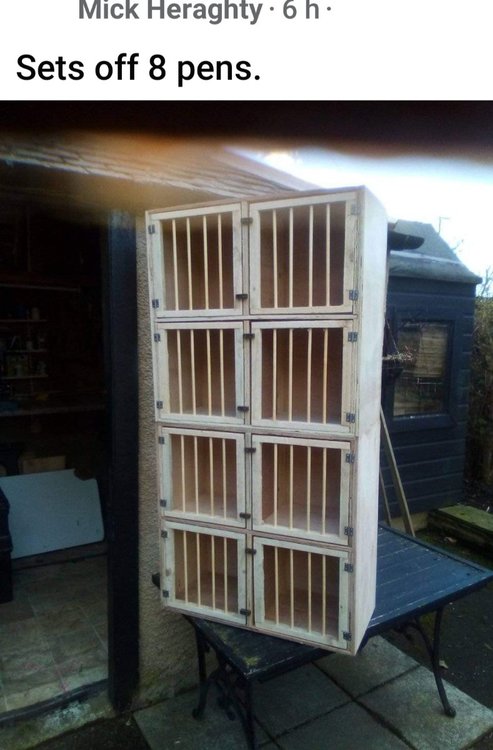
-
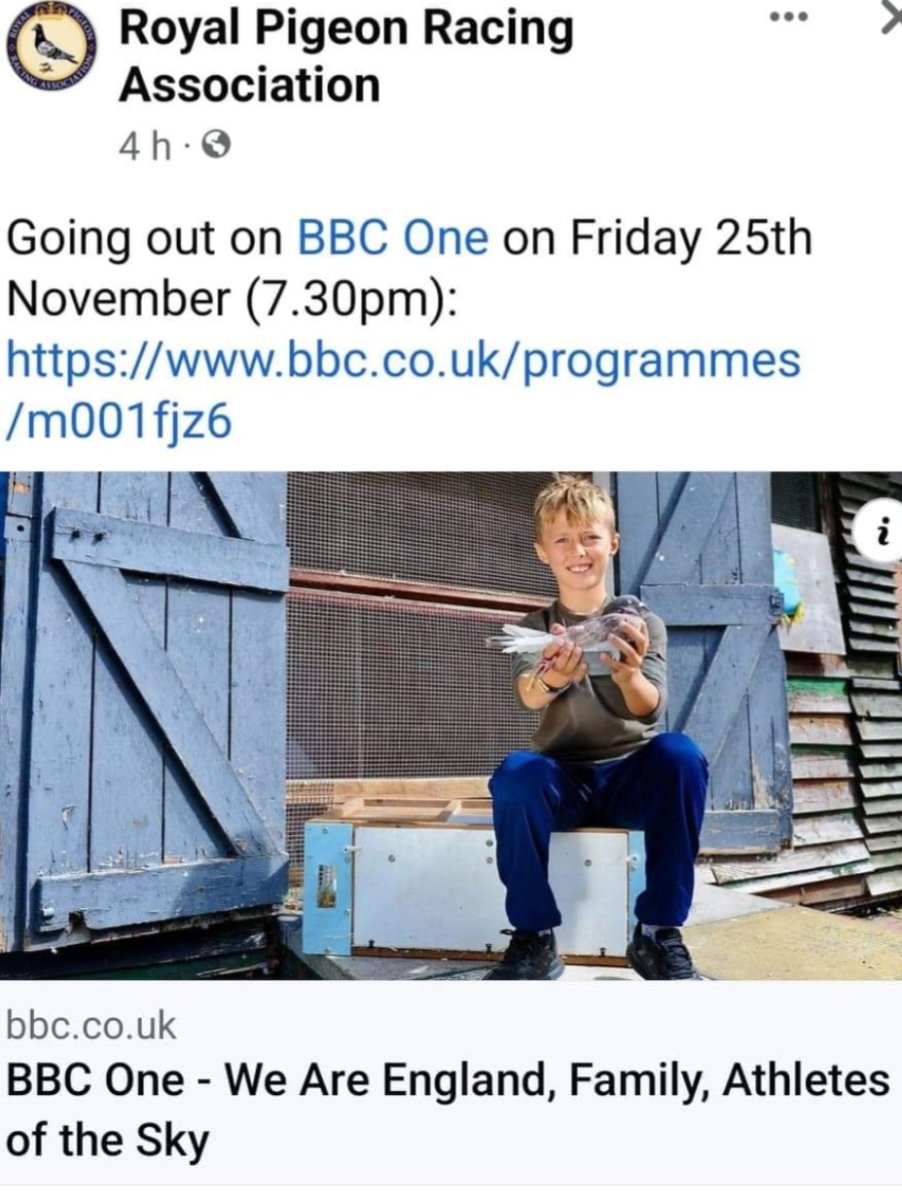
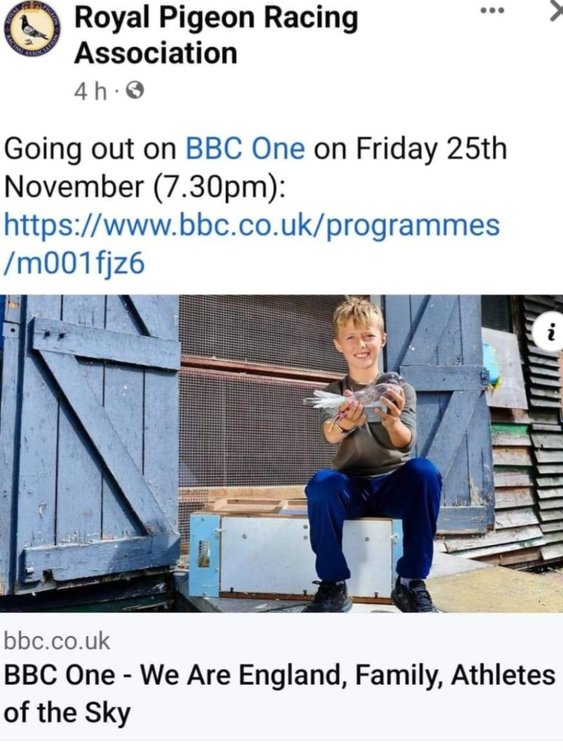
Notice to members of an up and coming TV programme This is a screenshot
-
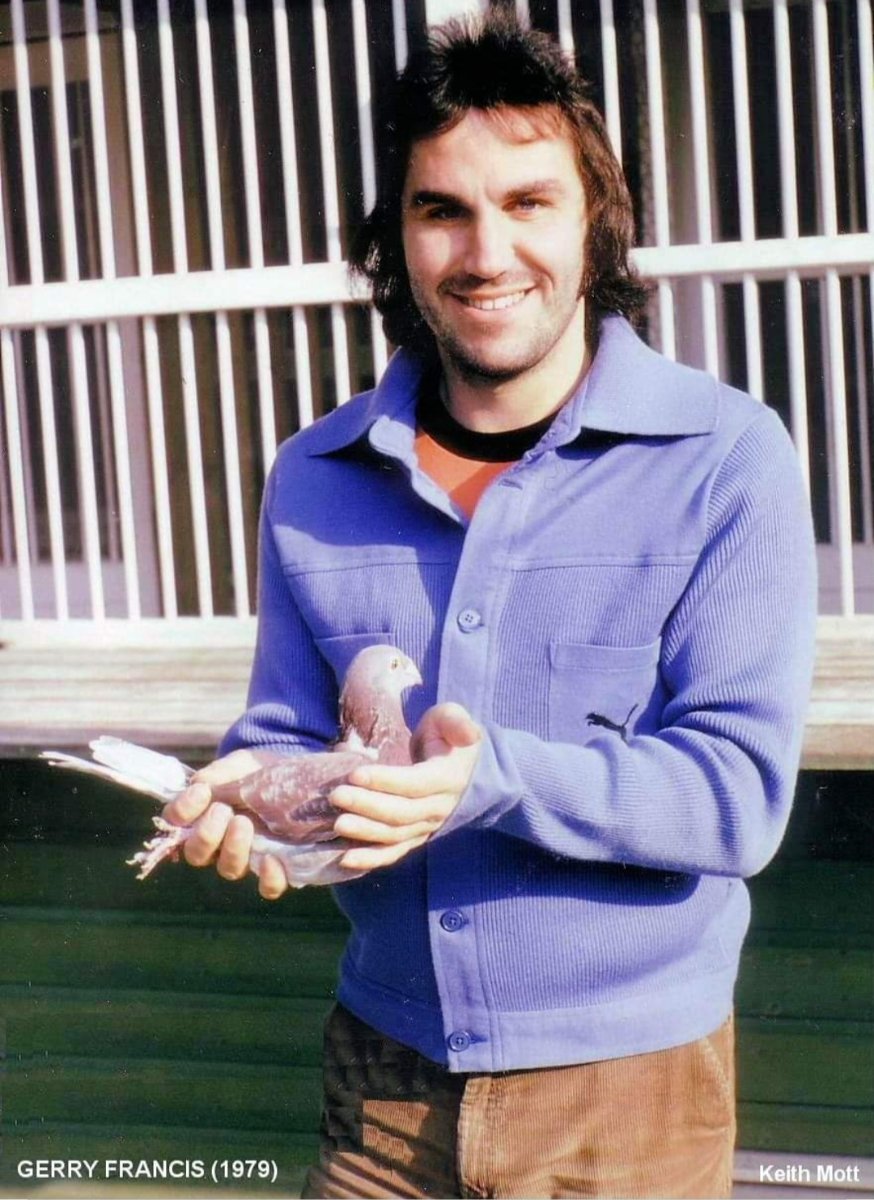
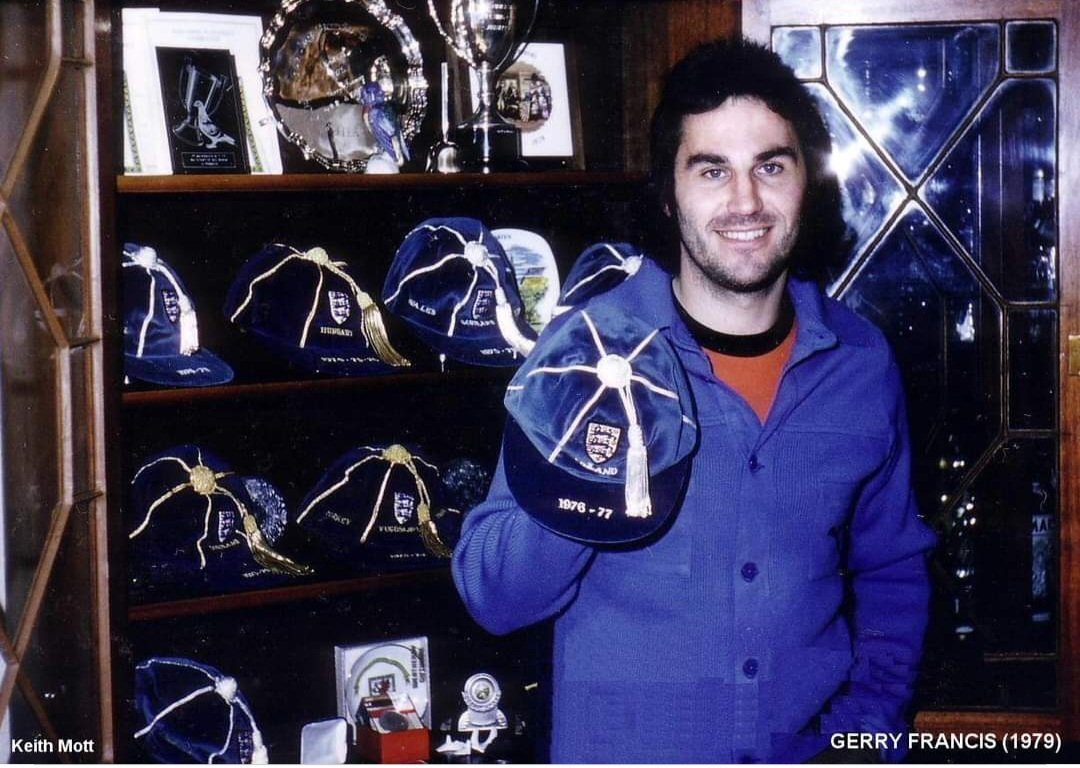
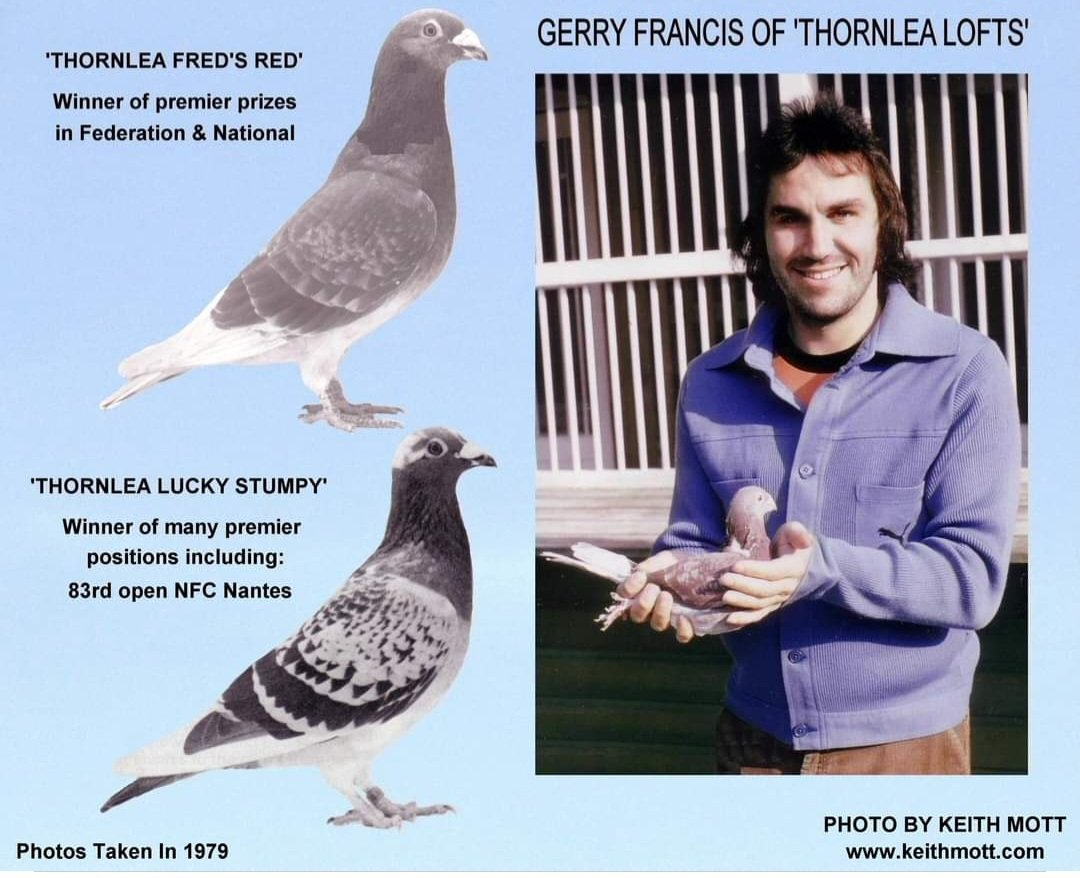
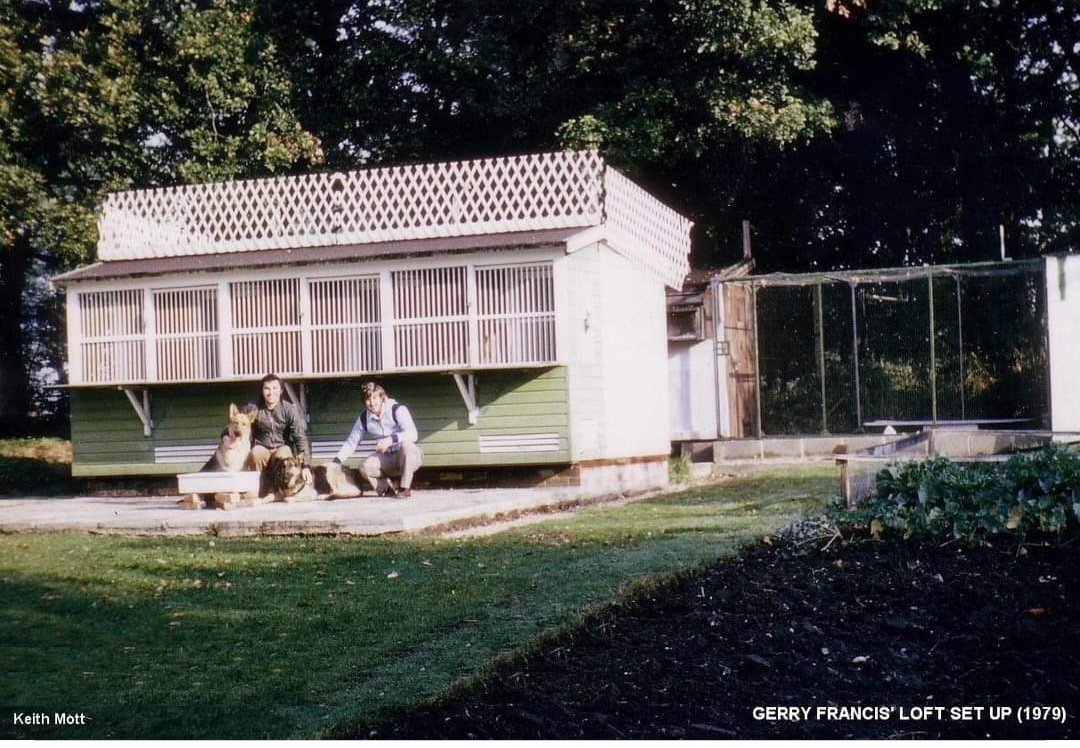
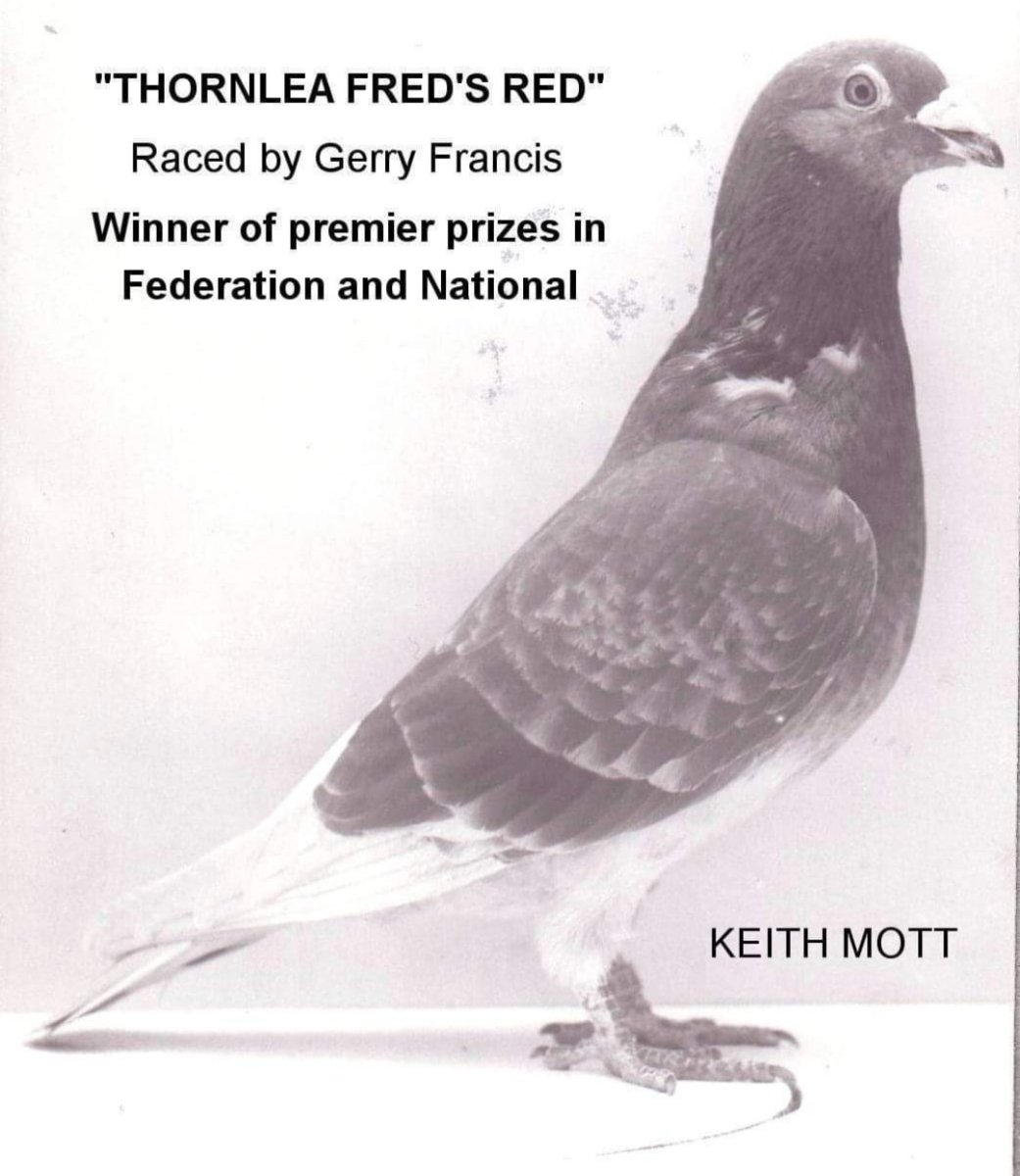
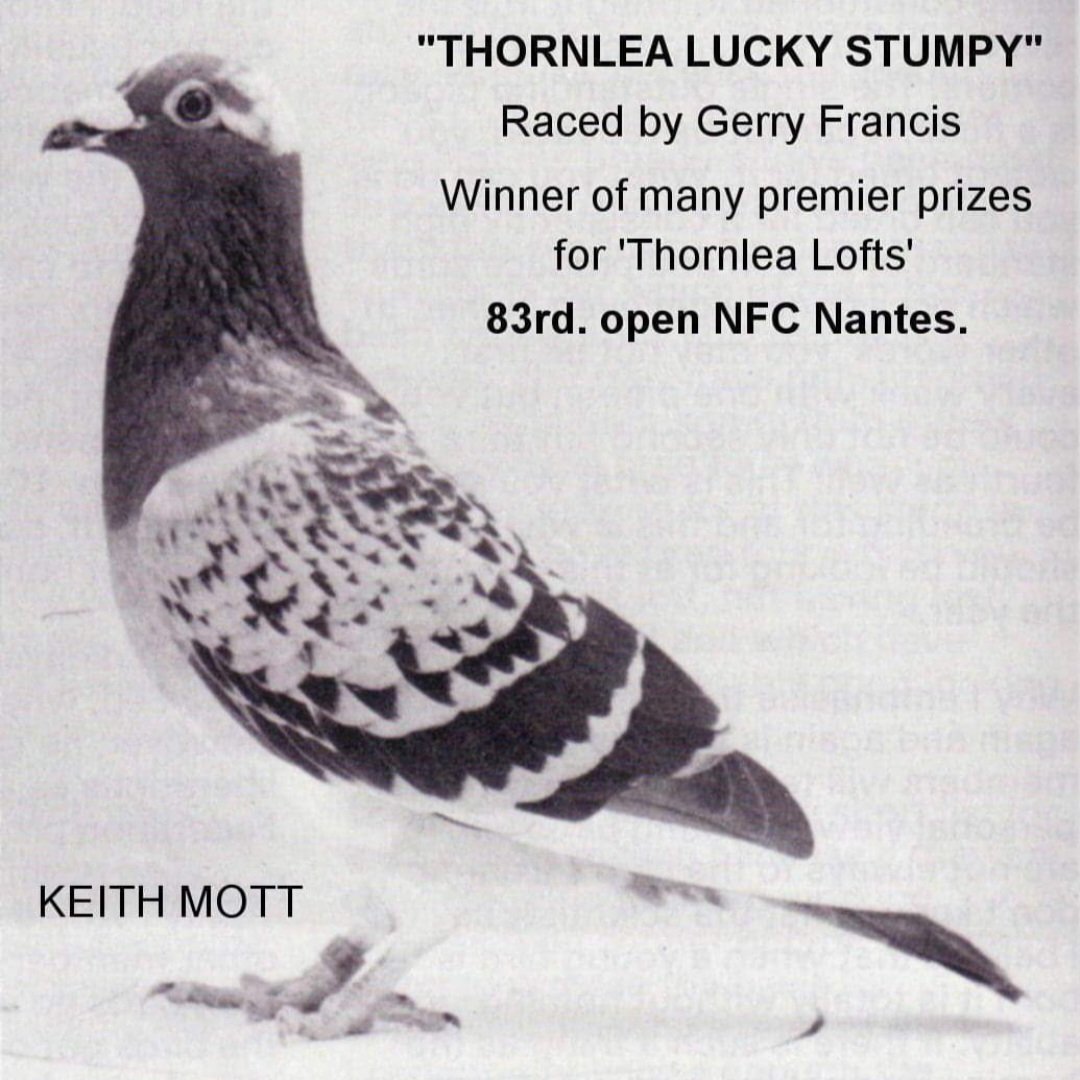
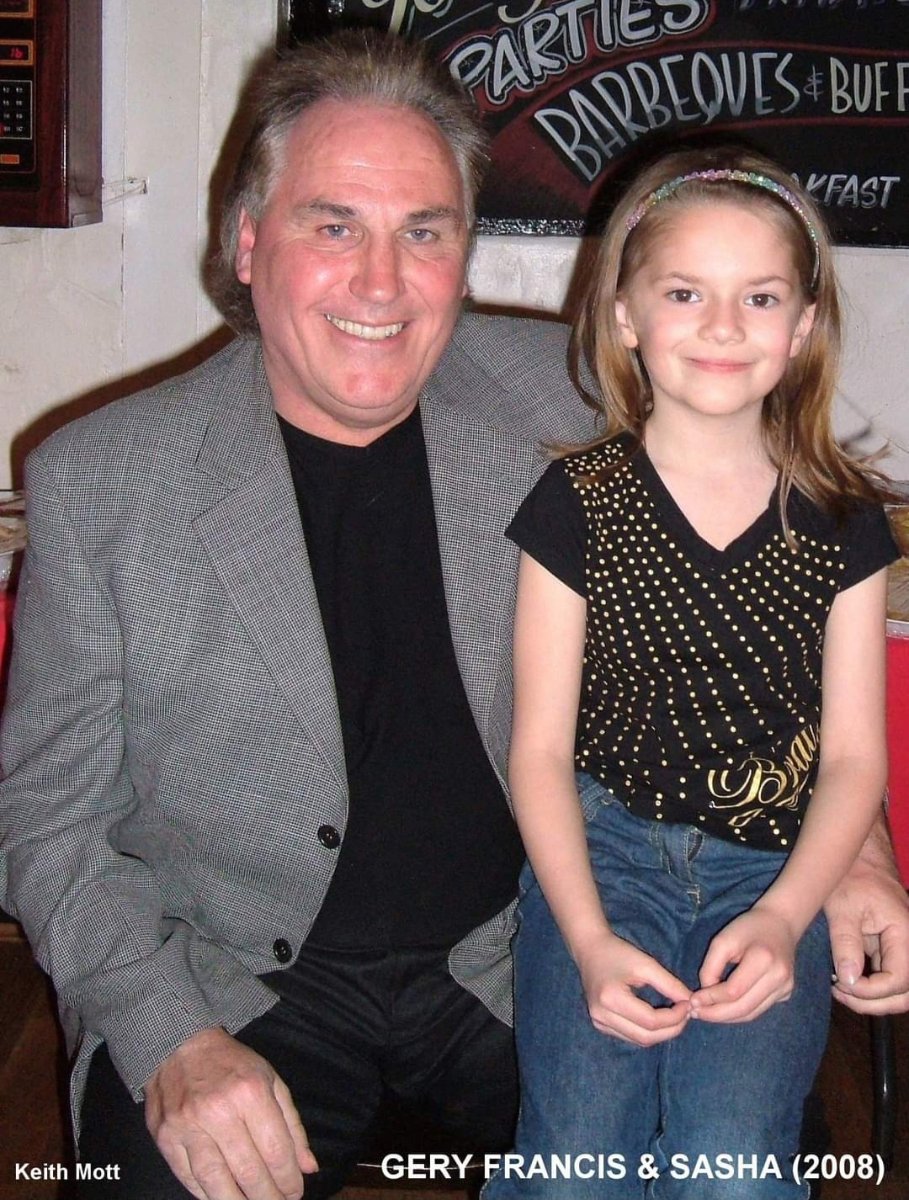
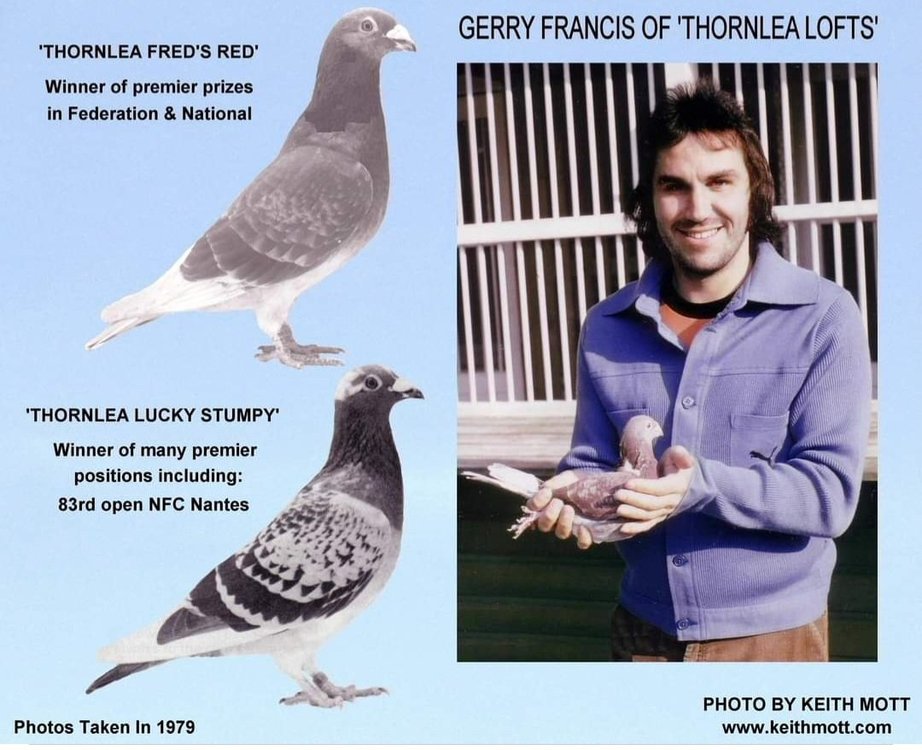
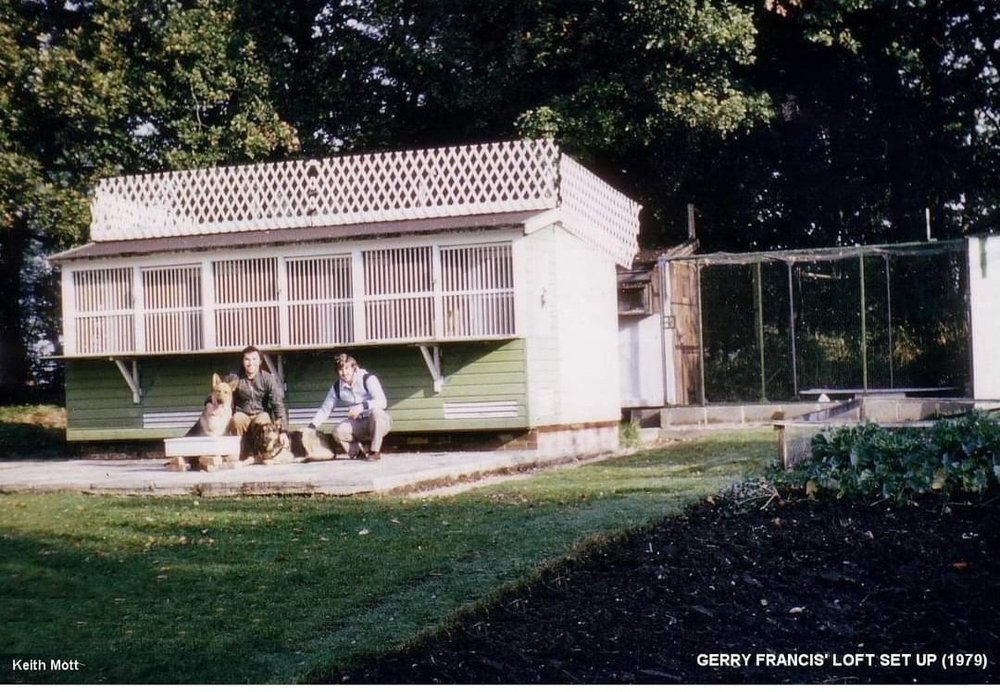
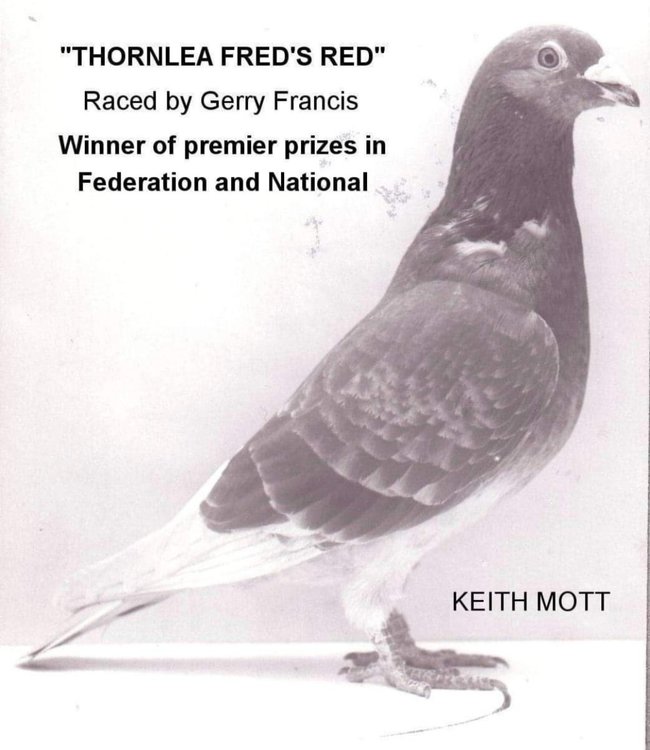
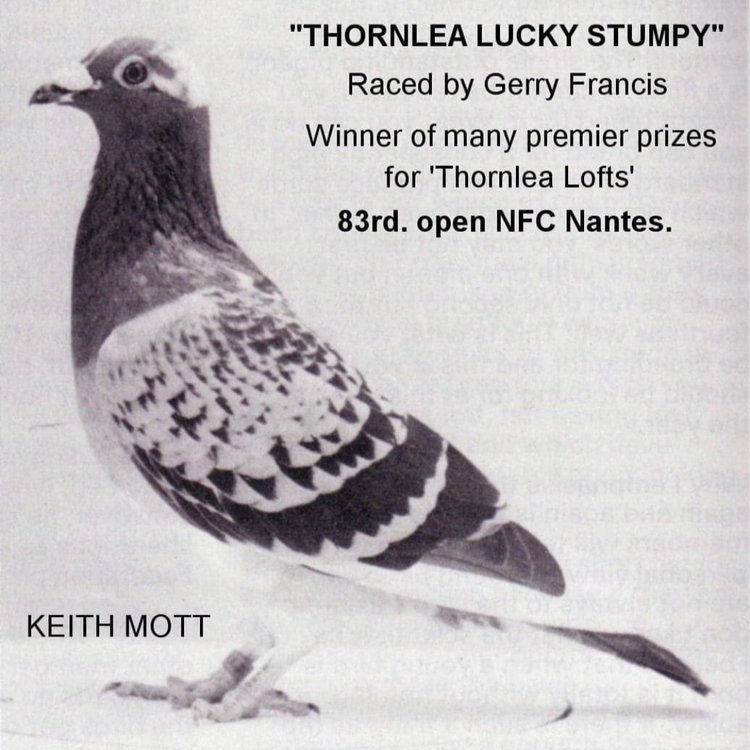
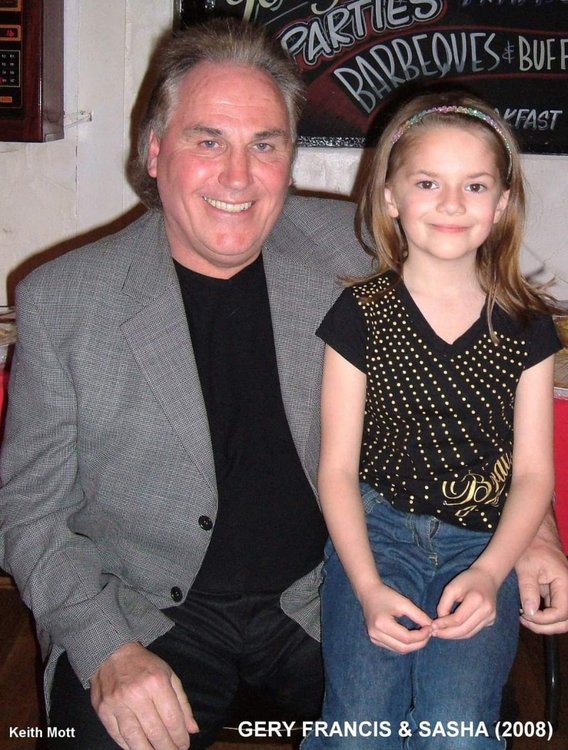
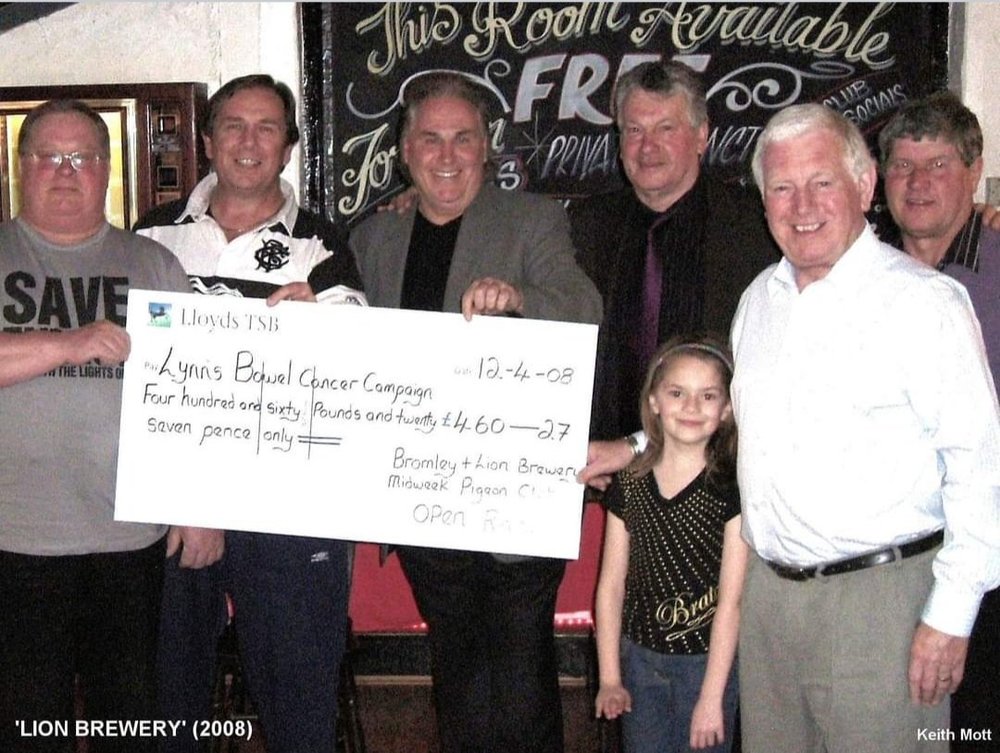
 Gerry Francis – Footballer and Pigeon Fancier! Many years ago I visited the lofts of Gerry Francis and at that time he was at the very top in English football, playing for Crystal Palace. Of course Gerry went on to become a very successful manager with Q.P.R. and Tottenham Hotspurs, and this is an account of my vist to his Berkshire home in 1979. Whenever one read of Gerry Francis, one always read 'Gerry Francis, Crystal Palace and England football ace, winner of many major awards including 13 International caps for England', but you never read of Gerry Francis the pigeon fancier, and how good a fancier he was despite the pressure on his time from his many footballing commitments. There are times when Gerry doesn't see his pigeons for days on end. He had been in the sport on and off since 1959, he said his first loft measured 2 feet x 4 feet and it was something of an innovation as it was mobile, yes, mobile. It was built and attached to pram wheels so that it could be moved in great haste when the rent man called as Gerry was not supposed to keep pigeons where he lived then. Gerry is from a pigeon racing family, his father Roy, and two uncles, Fred Harrington and George Francis were all active fanciers. He has a very high regard for his uncle Fred, who, he said, taught him a lot about pigeons. Gerry became interested in pigeons when he was about eight years old and raced with his father in the City Arms H.S. at Hammersmith. His first pigeons were from George Harrowell of Shepherds Bush, these birds were carefully broken to their new loft by Gerry. After he had successfully broken them, the local council promptly ordered him to get rid of them. It was my friend Mick Worsfold who took me down to deepest Berkshire to visit Gerry Francis' 'Thornlea Lofts' and for a change we had some sunshine on the lofts for the photographs. This was a standing joke as it always rained on my loft visits with Micky Worsfold, and on the way down we were driving through thick fog, and I reckoned that the Worsfold curse was running true to form. Gerry started racing from his present address in 1977 with seven Harrington latebreds from his father. One of the stars of the loft was a pigeon known as 'Thornlea Lucky Stumpy', he was one of those original latebreds and acquired the name 'Lucky Stumpy' because he returned home from a race minus three toes and suffering numerous other injuries. After recovering from those injuries this gallant blue chequer pied cock went back on the road and won in 1979: 50th Section E, 83rd Open N.F.C. Nantes (10,367 birds), 4th club Bergerac (453 miles) with only seven pigeons recorded in the club in two days, he had also won 15th Federation Weymouth (1,847 birds) and 4th Hansur Open Weymouth. 'Lucky Stumpy' was also proving his worth as a breeder, he was sire of a chequer pied cock 'Garth' who had only had four races and taken four positions, including 23d Federation with 1,330 birds competing. Another of the Harrington pigeons to do well for Gerry was a blue chequer cock known as 'Thornlea Bourne End', he recorded 2nd club, 14th Federation, 26th Open B.T.B. Combine Niort (3,750 birds). On the subject of eyesign, Gerry said he didn't know enough about it to base his pairings on it, but he did admit to having a liking for a pearl eye. The lofts housed various strains, the Harrington pigeons were of the Logan¬Savage Barker-Osman lines, there were also Dordins from Paul Smith, Cattrysse from Les Davenport and pigeons from F Wiltshire of Oxford. We got onto the subject of young bird racing and Gerry said that he didn't believe in pushing youngsters hard, in fact he had found that his best pigeons in later life were those that were only trained as youngsters and not raced. He also said that he disliked sending yearlings across the Channel. The lofts consisted of a three section racing loft with corridor trapping, plus two stock lofts joined by a nice spacious aviary. There were 10 pairs of stock birds and around 15 pairs of racers, it was usual for him to breed around 25 youngsters a year. Floor dressing consisted of a sand and lime mixture which was changed every few months. The birds had an open loft, but even so, were kept under control. All birds were raced on the natural system, always trying to get to know each pigeon as an individual, this way Gerry thought you discover each bird's best racing condition. When it came to training, the birds were not trained on a specific line, but in any direction, to all points of the compass, thus giving the birds a good sound education and at the same time making them think. On the subject of food, Gerry thought maize was a very underrated food and fed a lot of it with peas and beans added. On this visit we spent a lot of time in the stock loft, which housed some excellent pigeons including direct children of National winners. Inbreeding and line breeding were practised to create a family, although the occasional introduction was made, if it would do the family good. Although a great many fanciers do not like latebreds, Gerry was the opposite and really liked a few of them as he reckoned if they were schooled well in early life they would be as good as a youngster bred at the normal time. The one thing that he didn’t like were wild pigeons, they all had to be quiet and good natured in the Francis loft. At that time Gerry's pigeon activities were overshadowed by his commitments to football, as had been the case really since he left school. His football career started as a lad when he played for a social club in a Sunday league, this was his only chance to play, as his school was rugby orientated. The opportunity eventually arose for him to be able to train at Queens Park Rangers on a Tuesday evening each week. These training sessions eventually led to him signing as an apprentice. When he was 16 he made his first team debut for the club against Liverpool in the first division, since that time he had won 13 international caps. However, professional football did not give him much time for his pigeons and he said that it was only thanks to several good hearted local fanciers who helped him by often taking his clocks and his birds, that he was able to race at all. However, I am sure, that now that football demands less of Gerry's time, he is now more, Gerry Francis the pigeon fancier. I hope my readers have enjoyed this special walk down memory lane! Gerry is still racing his pigeons with outstanding success and is a great worker for the sport of pigeon racing. (November 2022)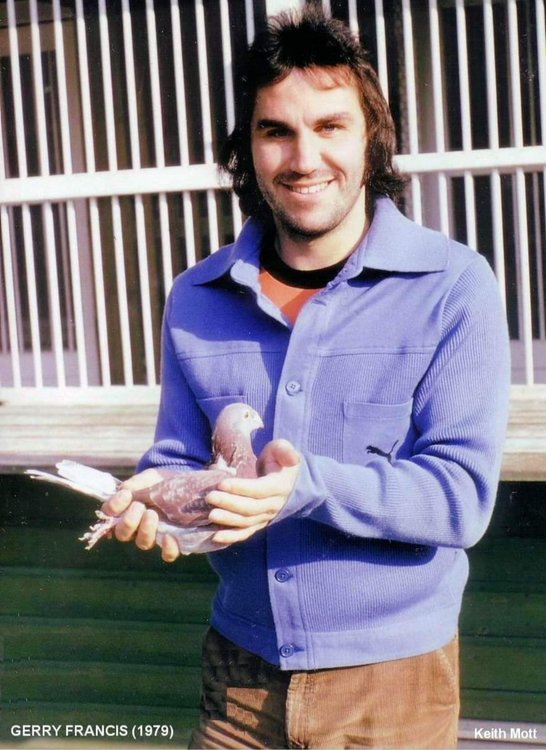

-
-
-
-
-
-
-
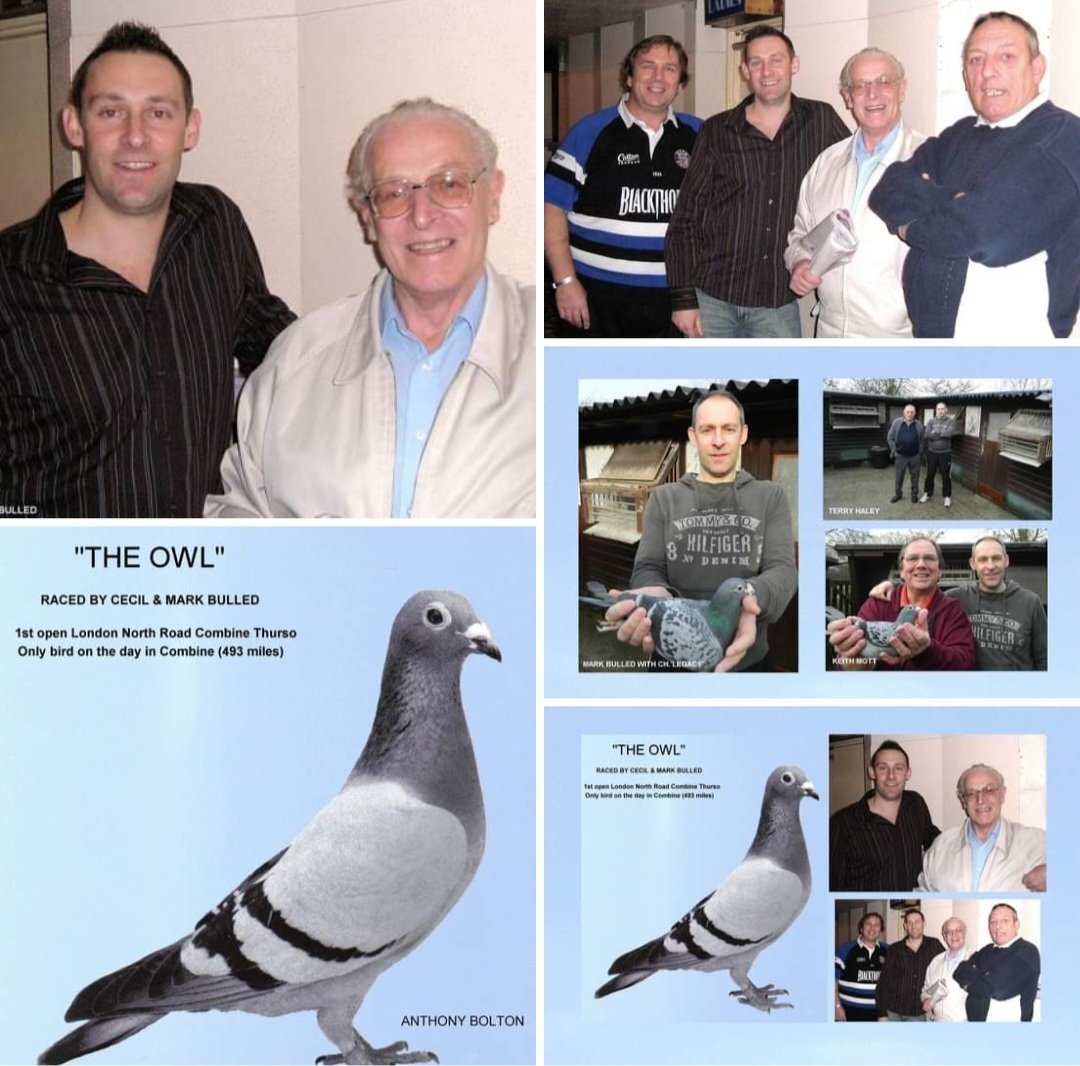
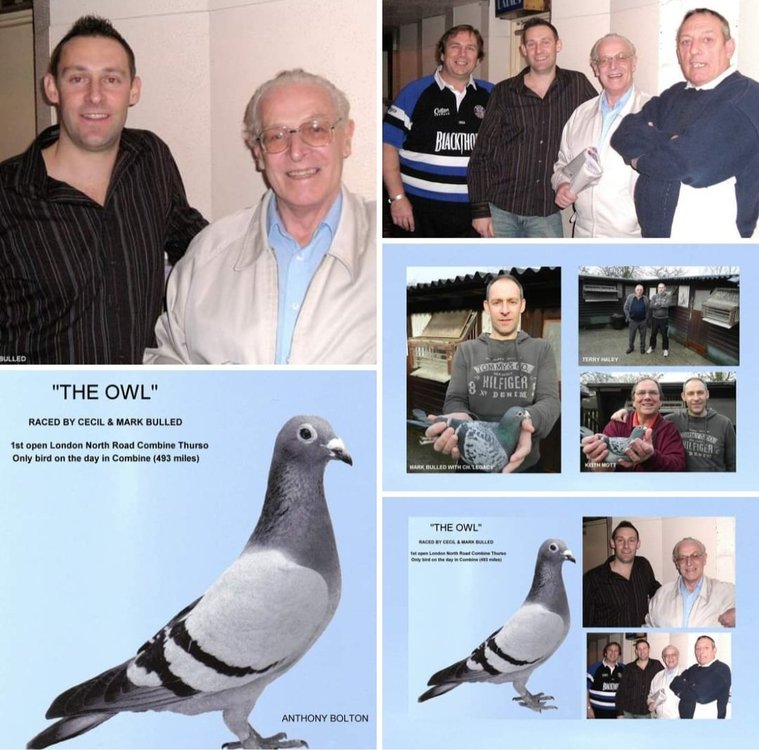
The late, great Cecil Bulled of Harlow. Mark Bulled is the son of the late, great Cecil Bulled, who was one of our greatest North Road racers of all time. Mark told me, ‘the best feeling in pigeon racing is to clock in late at night from 550 miles and my real love in the sport is the long distance events. My best pigeon moments were just sitting with my dad waiting for the Combine pigeons! Mark has been in pigeon racing all his life, coming from a brilliant family of pigeon fanciers, with his father being Cecil Bulled and his grandfather being Sid Marsh of Croydon. He tells me his dad started up in pigeons on meeting his mother, Barbara. Pigeon were always a part of Mark’s life when he was a lad, cleaning out the loft and training the birds with his dad, but started to get really keen at the age of about 14. He was very close to Cecil and the pigeons gave them a lot of time together. Mark is now a long distance racing 'legend' in his own right, winning in recent seasons: 1st open NFC Tarbes, 1st open L&SECC Tarbes, 1st open BBC Fougeres, 1st open BBC Fougeres, 1st open London NR Combine Berwick (Yearlings), 1st open London NR Combine Lerwick, 2nd open NFC Messac, 2nd open BBC Bordeaux, 2nd open BBC Fougeres, 3rd open NFC Messac. Fantastic pigeon racing by any standard! When racing with his late father, Cecil, he recorded 1st open London NR Combine Thurso, 1st open London NR Combine Lerwick (four times), 1st open L&SECC Thurso, 1st open London SR Combine Bergerac. I first met Cecil and Mark Bulled in the mid-1990’s, when I visit their home in Harlow with Doug Went to film them for the ‘Many Miles With Mott’ video series. What great day out that was, the partners were winning it all in front of them and Mark was busy working to set up his own team of pigeons at his new address. The next time I met them was in 2001, when with the foot and mouth epidemic and resulting ban on racing from France, the London & South East Classic Club switched from Pau to Thurso in the north of Scotland for the longest old bird race. The Thurso race was won by Cecil and Mark, whose past performances on the north road have been electric, being especially deadly at Thurso and Lerwick with the London North Road Combine. After he recorded 4th and 5th open L&SECC Perth in 2001, I predicted that he would win Thurso and he did! The Bulled loft sent ten pigeons to the Thurso Classic (493 miles) and clocked five on the day of liberation, recording 1st, 10th, 14th, 19th and 26th open. A brilliant performance! Cecil Bulled was born in Croydon and first became involved with pigeons when he met his wife, Barbara, the daughter of the late Syd Marsh. When Syd took over the secretary’s job in the Selhurst Flying Club, the young Cecil became his assistant, calculating the velocities on race checking night. He obtained his first pigeons in 1962 and flew in partnership with his brother in law, Doug Marsh. The first stock was obtained from members of the Selhurst club, in the guise of Syd Marsh, Stan Hunt and Denny Kimber. In his youth, Cecil, was very keen on football and went to school with Peter Notridge, president of the Surrey Federation. Cecil was an accountant by trade, but later retired. He had been racing pigeons for 40 years and said Bill Bailey of Harlow was the best pigeon man he had known. They were very good friends, but the biggest enemies when it came to racing the pigeons. Cecil told me he could remember a Bordeaux race in the early years and they sent pigeons which were really only ‘hoppers’. It was a really bad race with few returns in race time, and the young Cecil and Doug were in the garden for three days, with no arrivals. Cecil vowed then that he would only compete in the long distance events when he had the utmost confidence in his entries. Cecil and his partner, son Mark, had three lofts, a 10ft widowhood loft, an 11ft young bird shed and the main 18ft loft construction, which housed natural racers, stock birds and the widowhood hens. The partners’ 20 widowhood cocks and 12 pairs of stock birds were paired up the weekend after the B.H.W. Blackpool Show in January and the natural birds were put together at the back end of February. The birds were raced on the basic natural and widowhood systems, with no frills or fads, and flew south road with the Stanstead Invitation Club, with outstanding success. The main pigeons raced were the old Croydon family, Soontjens from F. Sheader of Scarborough and the W. Grodon Busschaerts. The old family liked hard racing, 14 hours on the wing from 500 miles, and the Soontjens and Busschaerts were outstanding for the general club work. Cecil maintained his best performance to date was in 1995 when he was 2nd, 9th and 12th open London N.R. Combine Thurso (493 miles), with only 20 birds clocked in the combine on the day of liberation. Brilliant pigeon racing! He said he had been fortunate to own a number of good pigeons over the years including: ‘The Owl’ winner of 1st open London NR Combine Thurso (only bird on the day in the combine): ‘Little Dot’ winner of 1st open London & South Coast Combine Bergerac (478 miles): ‘17567’ winner of 1st open L.N.R.C. Lerwick (582 miles), 1st Section H. in the North Road Championship Club: ‘20729’ son of ‘17567’ and winner of 1st open L.N.R.C. Lerwick (582 miles): ‘14114’ son of ‘The Owl’ and winner of 2nd open L.N.R.C. Thurso (only three birds on the day). The London North Road Combine presents a hall of fame award to a pigeon that scores three times in the first 100 open positions and the Bulled loft had won three awards with, ‘The Ugly Hen’, 3rd, 32nd and 97th open: ‘Day Return’, 12th, 57th and 80th open and ‘Victoria’, 2nd, 14th and 38th open. Cecil’s wonderful family of pigeons had won the Federation many times through the years in sprint and middle distance races. A brilliant loft of pigeons! Cecil Bulled had been racing in the London & South East Classic Club for only a few seasons, but had won the North East section several times. Being a north road flyer for many years, he turned some pigeons south in 1998 and won the London & South Coast Combine from Bergerac in the 1999 season. In 2001, when the foot and mouth restrictions stopped racing from France, he turned his birds back to north road and when the L&SECC decided to race from Perth and Thurso he was delighted. In the race prior to winning the Thurso Classic, the Bulled loft clocked four birds in the very hard Perth Classic to record 4th, 5th, 11th and 62nd open. Cecil’s biggest thrill of his 40 years in pigeon racing was when he clocked ‘The Owl’ from Thurso in 1975, flying 15 hours 3 minutes to cover the 493 miles, and the only bird on the day in the London North Road Combine. He told me his wife, Barbara, was a great help looking after the pigeons when he was away, as was his partner, Mark, who also has a successful team of birds at his own address. Cecil maintained that he was a poor young bird racer, with his main aim each season, being to get some well raced cocks to renew the widowhood team. He believed that to be successful with young birds, they have to go on the darkness system, cocks and hens separated to be put together on race marking day. Cecil fed his youngsters widowhood corn mixed with 20% depurative and liked them to race up to 300 miles. All the Bulled pigeons were trained hard, with young birds getting two 40 mile tosses every week during the racing season. For the long distance events, he liked natural birds sitting ten day old eggs and he told novices, don’t run before you can walk, serve your apprenticeship in husbandry well. Two of the best fanciers in London race in his north road club, said Cecil, in the form of Vic Shaw, and his own son Mark, and he described them as dedicated fanatics who will never be beaten! Cecil liked showing his pigeons, but found it hard to find the time to do it. When he judged, he looked for condition first, good head and eye, with a balanced, rounded body. The Bulled’s practiced inbreeding and line breeding, particularly back to good winning pigeons, but were not too keen on latebred youngsters, although they let their widowhood cocks rear a baby after racing has finished. The lofts were scraped out daily and brushed with garden lime. Cecil said he had tried deep litter on the loft floors, as did a lot of good fanciers, but his seemed to stick to his feet and finished up on the carpets in the house. There you have it, the late great Cecil Bulled of Harlow. What a fantastic pigeon racing family! Full article to appear in the BHW soon. (November 2022)
-
Sorted now
-
-
Wishing all Basics members attending the show, a great time
-
-
-
-
Perfect
-
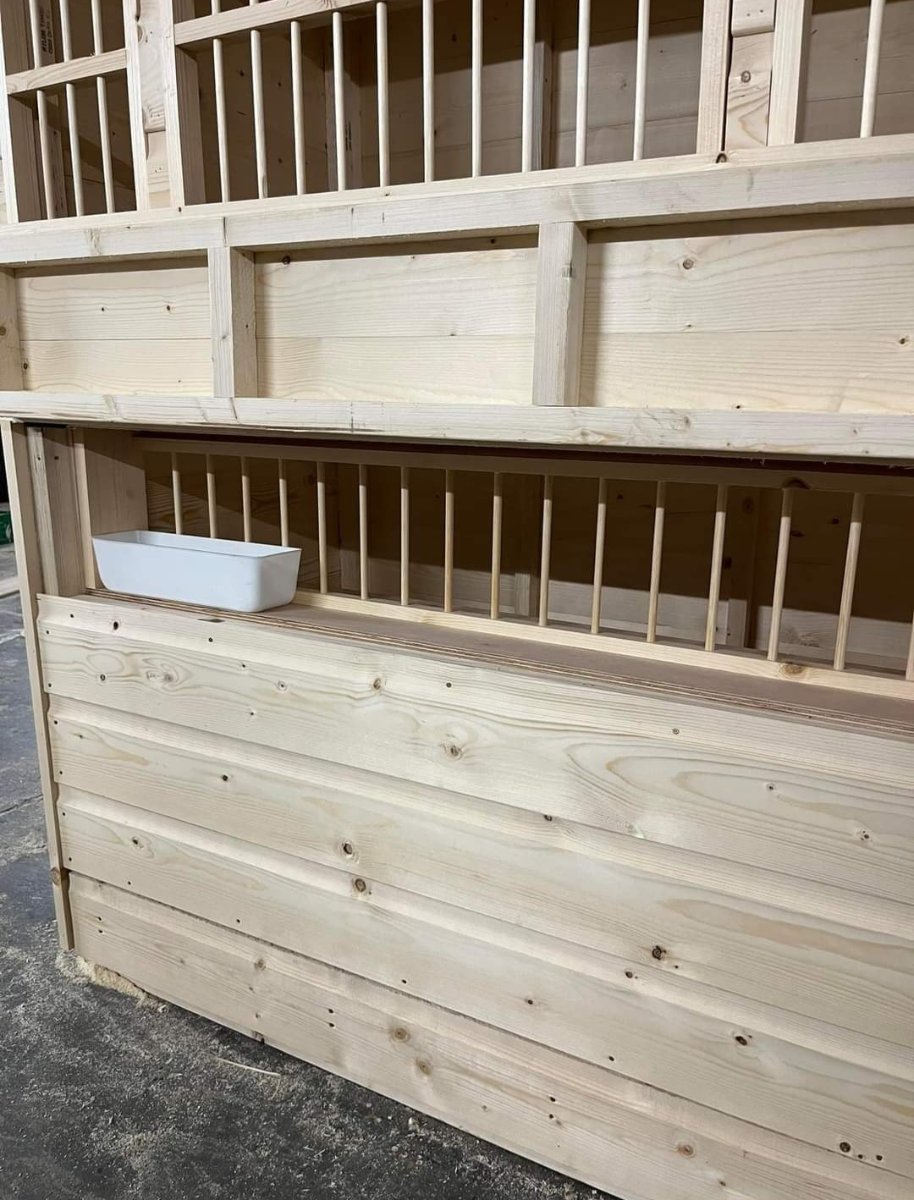
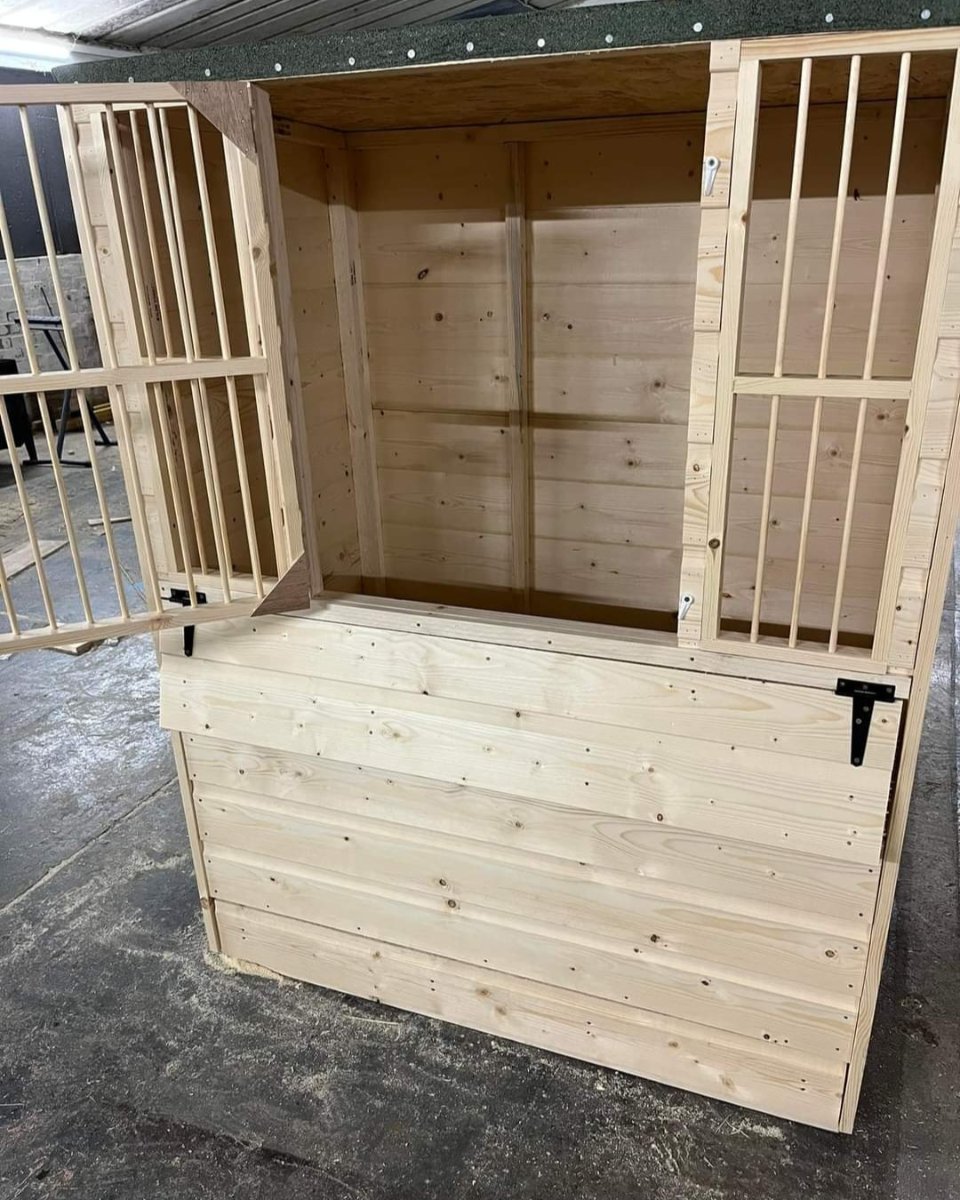
Do you have any photos to support the sale of items?
-
-
The Joe Murphy Column 6 Nov 2022.docx